





Why Head Impact Monitoring Matters: What Every Sports Parent Should Know
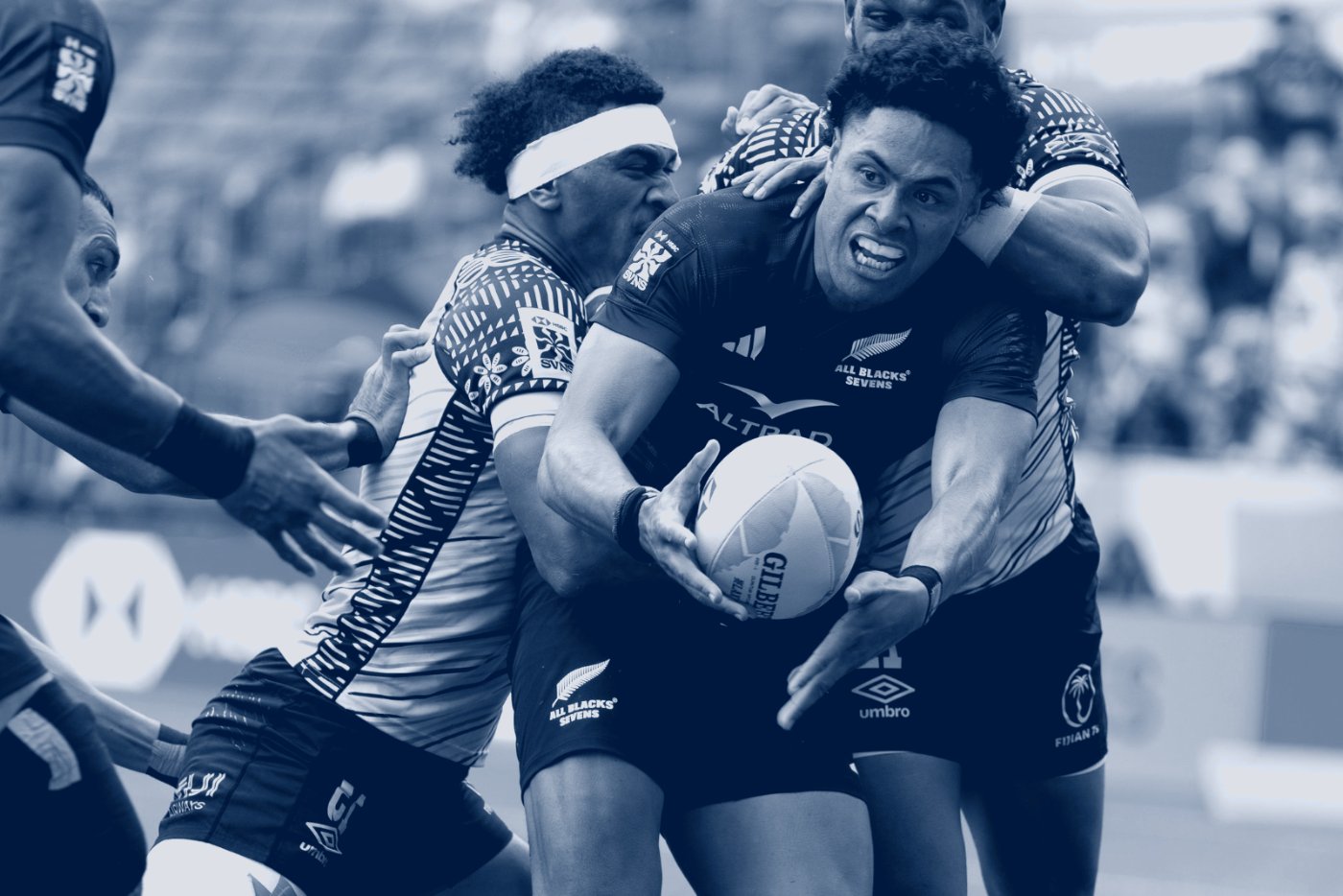
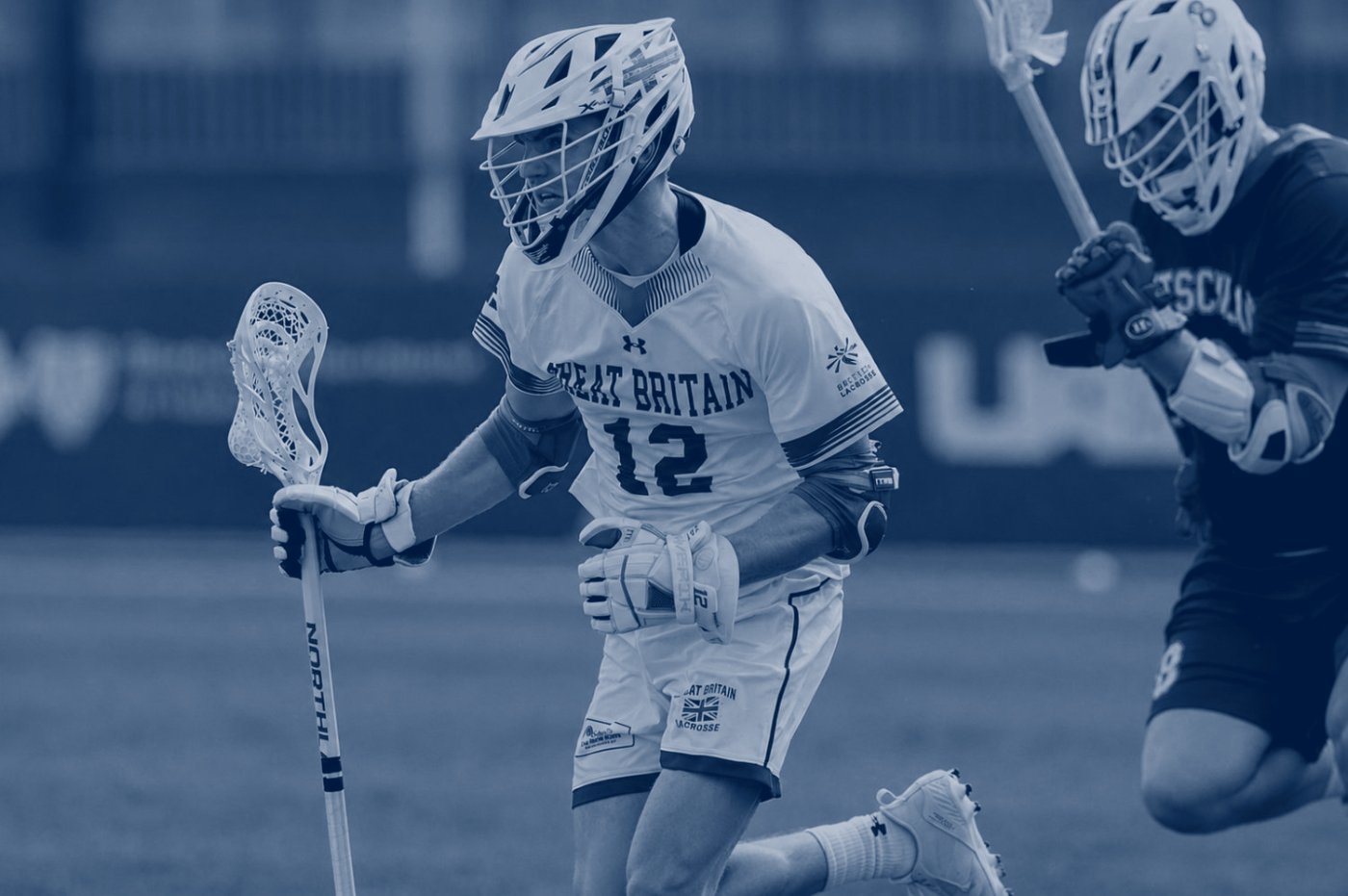
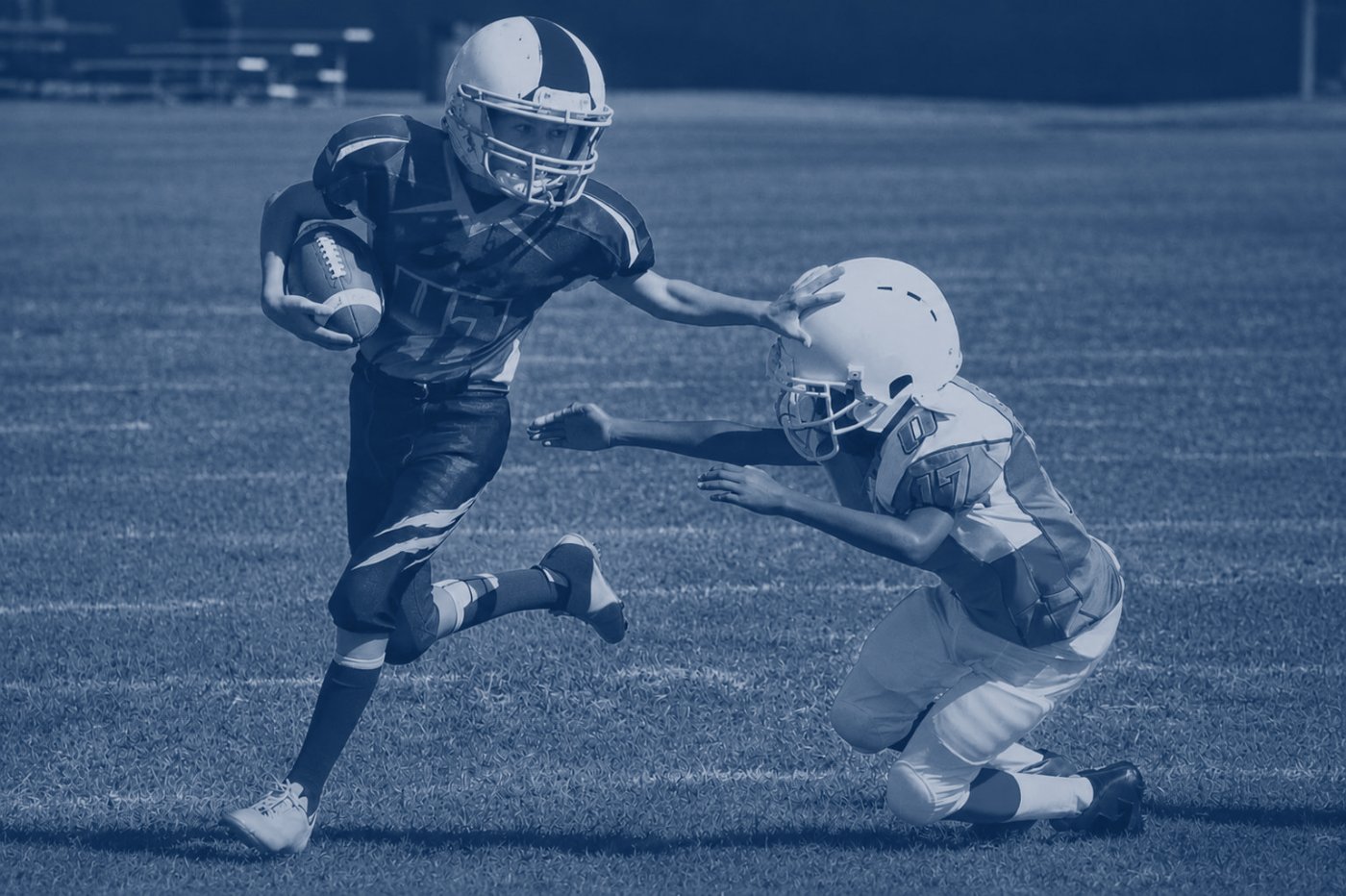
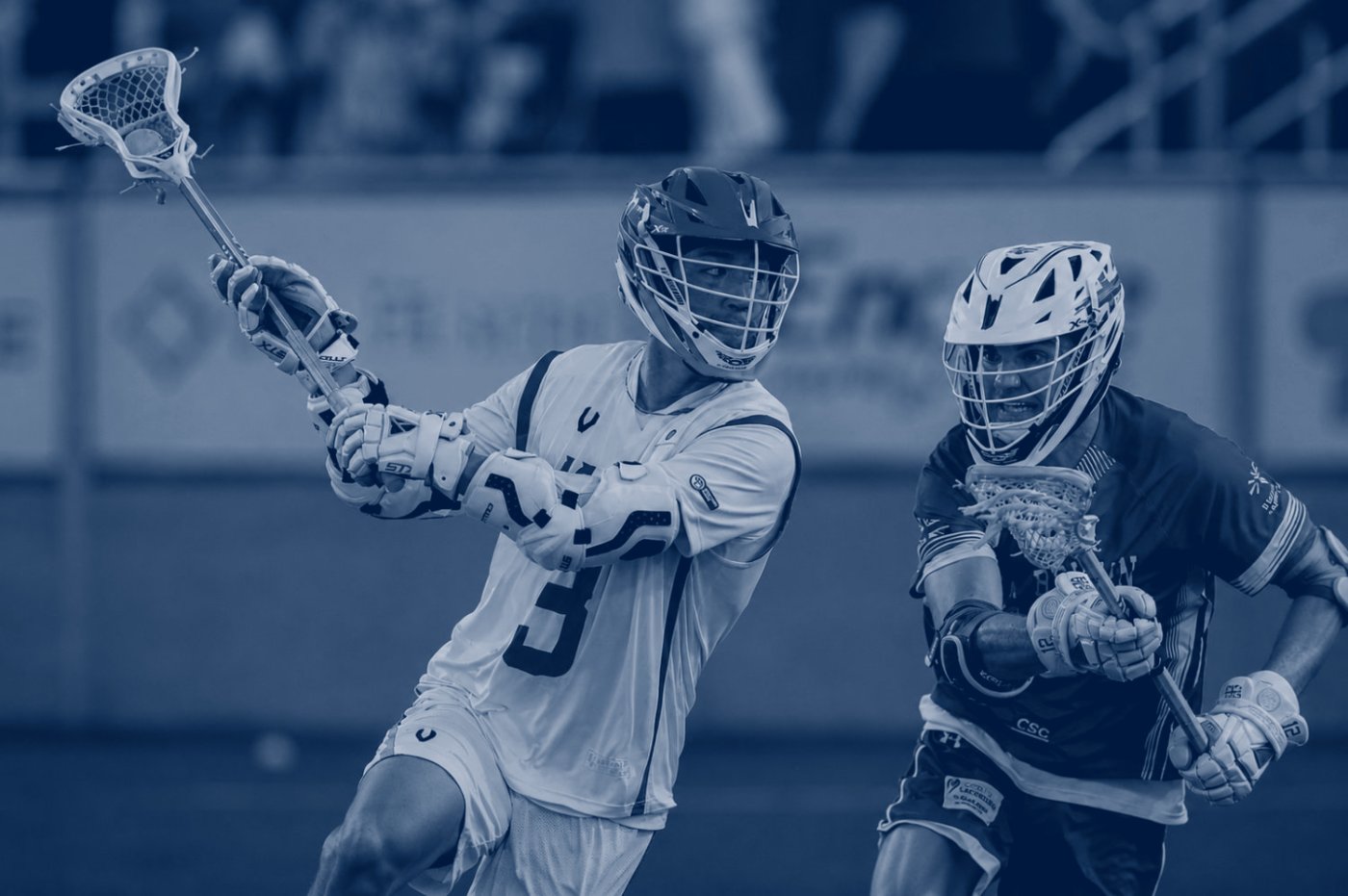
If you're a parent standing on the sideline of a football game, a rugby pitch, or a hockey rink, you already carry a quiet worry in the back of your mind: what happens if my child gets hit in the head, and no one notices?
It's not an irrational fear. It's backed by numbers that might surprise you.
The problem is bigger than it looks
Every year in the United States, there are an estimated 3.8 million sports-related concussions. That's a staggering number on its own, but here's the part that should really get parents' attention: fewer than 5% of concussions involve a loss of consciousness, and more than half go completely undetected.
Think about what that means in practice. A concussion doesn't usually look like the dramatic, movie-style knockout. Most of the time, an athlete gets up, shakes it off, and keeps playing - not because they're being careless, but because nobody, including the athlete, may realize anything happened at all.
This isn't a knock on coaches, athletic trainers, or parents watching from the stands. It's a detection problem. For decades, the primary tools available for identifying a possible head injury have been self-reporting ("Do you feel dizzy? Any headache?") and visual observation from the sideline. Both rely on someone noticing something is wrong, and both depend on the athlete being willing and able to say so.
That's a hard ask for anyone, but especially for young athletes who are trained to push through pain, worried about losing playing time, or simply too disoriented in the moment to accurately describe what they're feeling.
Timing matters more than most people realize
One of the more sobering findings in concussion research is how much recovery time is affected by what happens right after the injury. Athletes who continue playing within just 15 minutes of a concussion average 44 days to recover - dramatically longer than athletes who are pulled from play and evaluated right away.
In other words, the difference between a quick recovery and a season-altering one often comes down to minutes, not weeks. And those minutes only work in an athlete's favor if someone knows an impact happened in the first place.
Left unmanaged, head injuries carry real risk: prolonged recovery, a higher chance of re-injury, and in rare but serious cases, permanent neurological damage. Properly identified and managed early, the outlook for most athletes is good. The gap between those two outcomes is, very often, simply awareness.
Parents are already voting with their choices
This isn't a niche concern. Roughly one in four parents say they've considered keeping their child out of sports altogether because of worries about head injuries, and participation in some contact sports among younger age groups has declined in recent years. Meanwhile, all 50 states have now passed some form of youth concussion law, requiring education, removal-from-play protocols, or medical clearance before an athlete can return to the field.
The awareness is there. What's often missing is a reliable way to act on it in real time - something more objective than "how does he/she look to you?"
Why objective data changes the equation
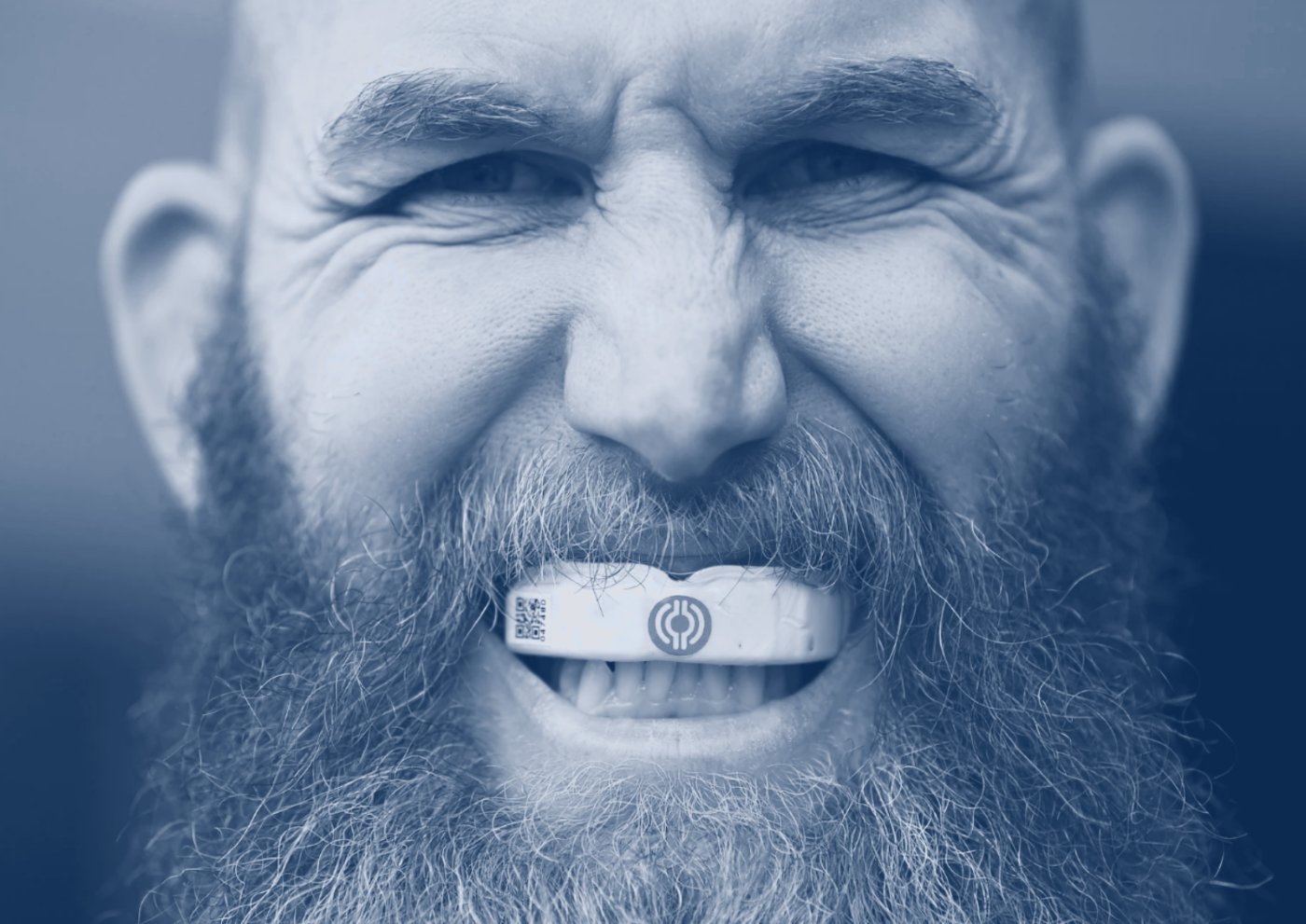
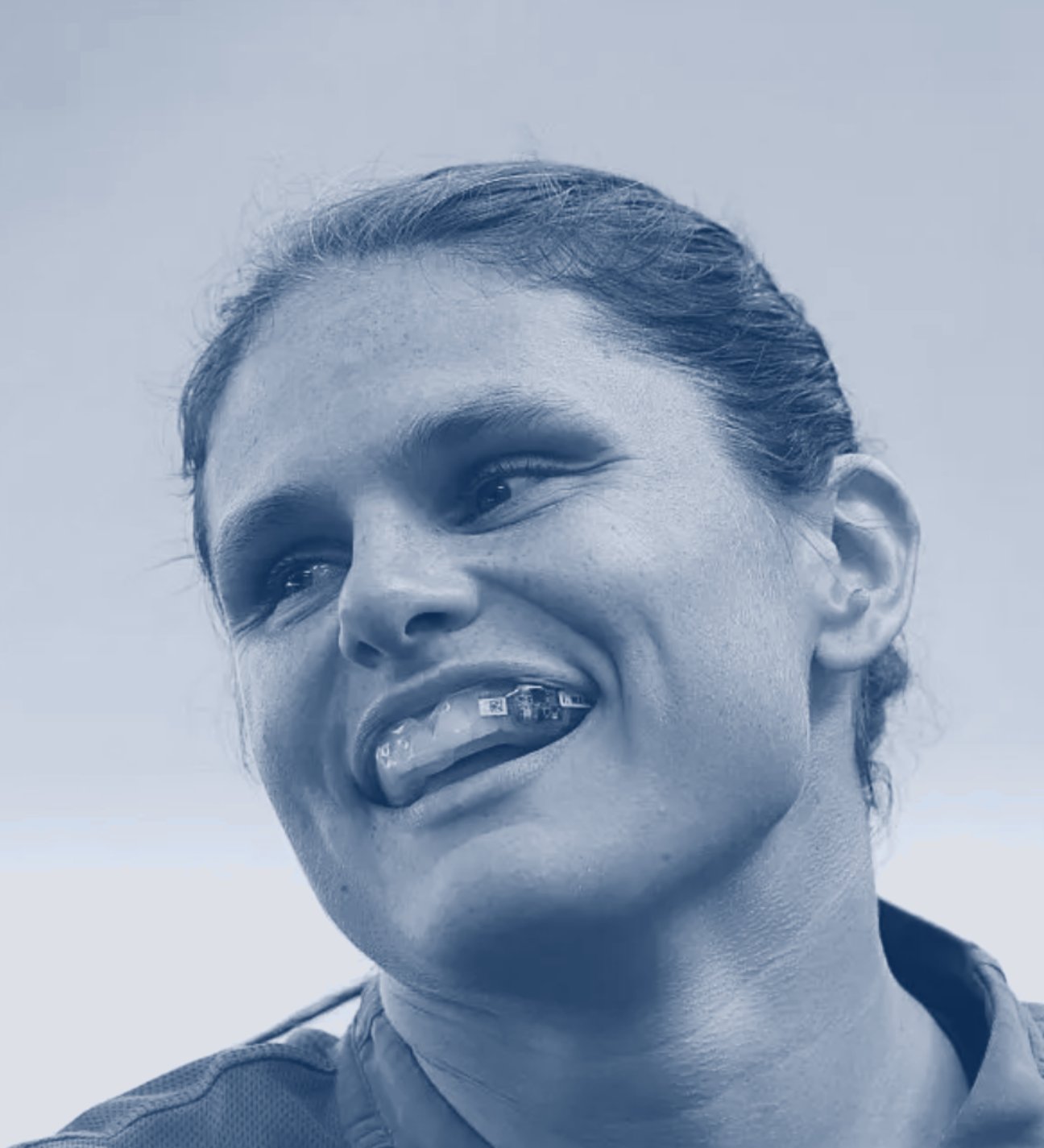
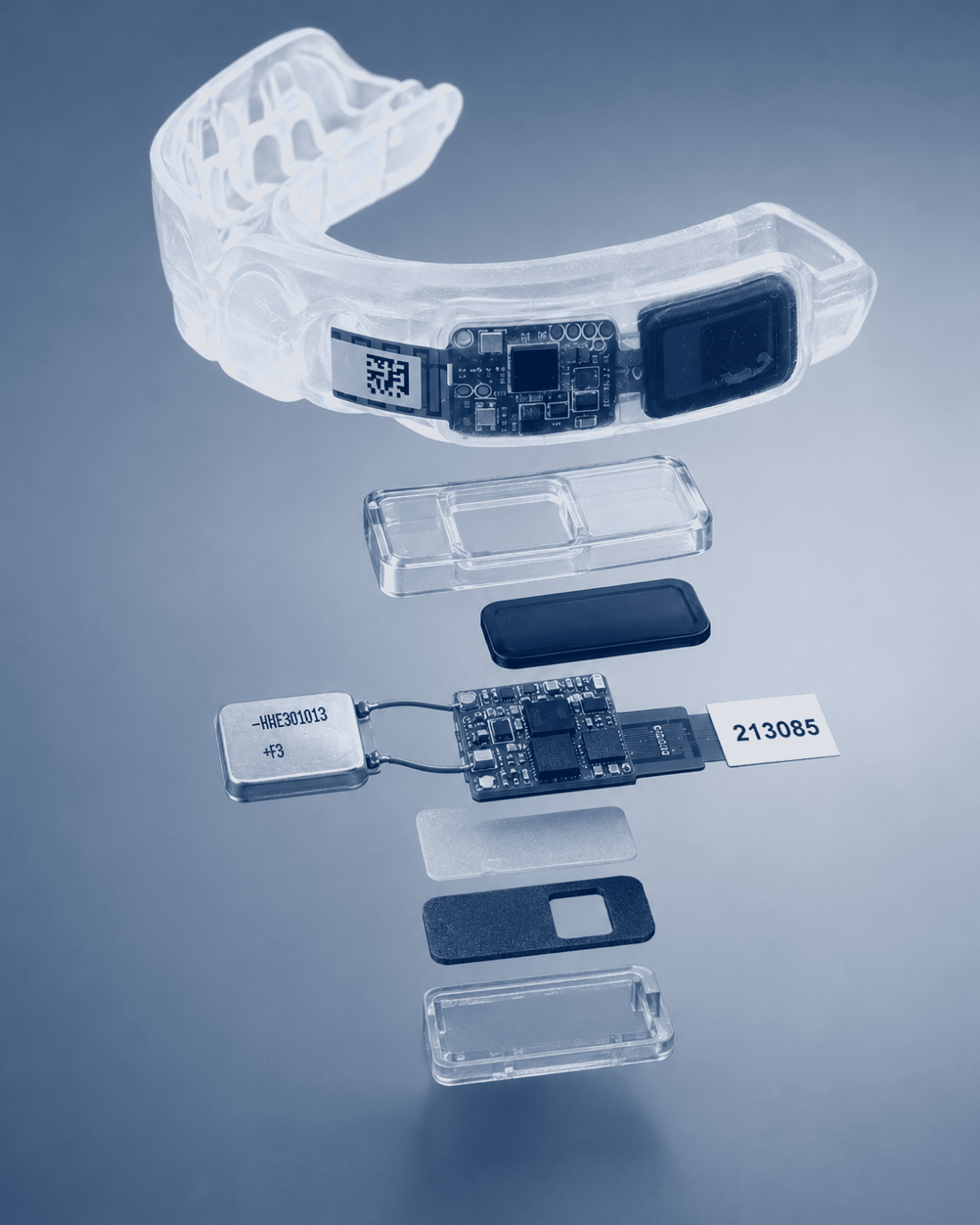
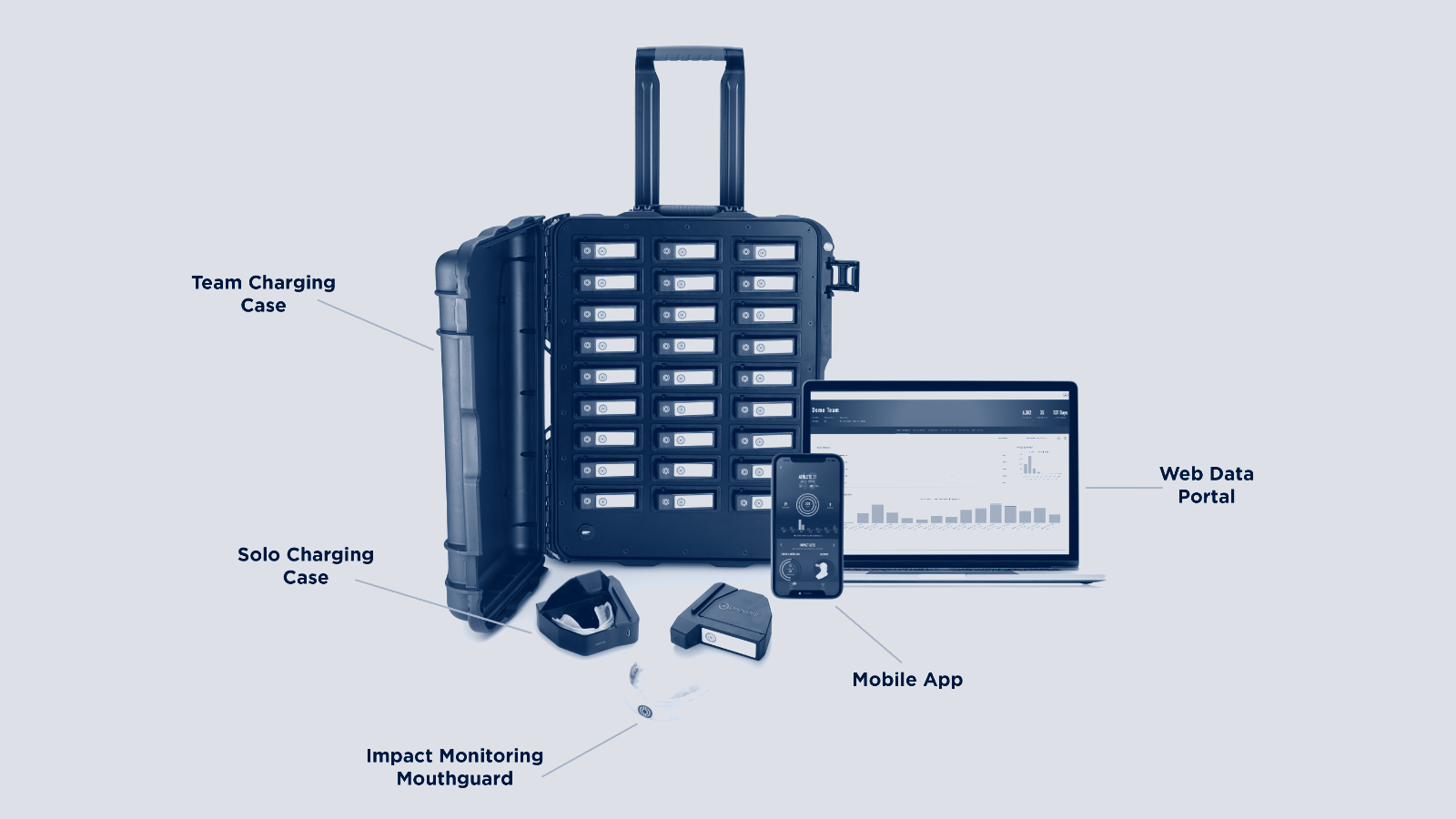
This is the gap that the Prevent instrumented mouthguard (iMG) technology was built to close. Instead of relying only on how an impact looks from the sideline or how an athlete feels in the moment, the Prevent iMG measures what actually happened to the athlete's head - the force, the direction, and the frequency of impacts - as it happens, on the field.
That doesn't replace a doctor's evaluation, and it isn't a diagnosis. What it does is give parents, coaches, athletic trainers, and medical staff an objective signal to work from: this hit crossed a threshold worth checking on. That single piece of information can be the difference between an athlete getting pulled for a two-minute evaluation and an athlete staying in the game with an injury nobody caught.
For organizations already using this technology - including World Rugby, top NCAA programs, and the U.S. Department of Defense - the appeal isn't complicated. It's the same thing every parent wants: a better way to know when something needs a closer look.
What's next
In the next post in this series, we'll get into the mechanics: what's actually inside the Prevent instrumented mouthguard, how it tells a significant head impact apart from an athlete just biting down hard or wearing the mouthguard in their pocket, and how that information gets from the field to the people who need to see it - often within seconds.
This post is part of Prevent Biometrics' educational series on instrumented mouthguard (iMG) technology. Read Part 2: How iMG Technology Actually Works.
Prevent Biometrics smart mouthguards alert coaches and medical staff the moment a significant head impact occurs. Learn how it works